
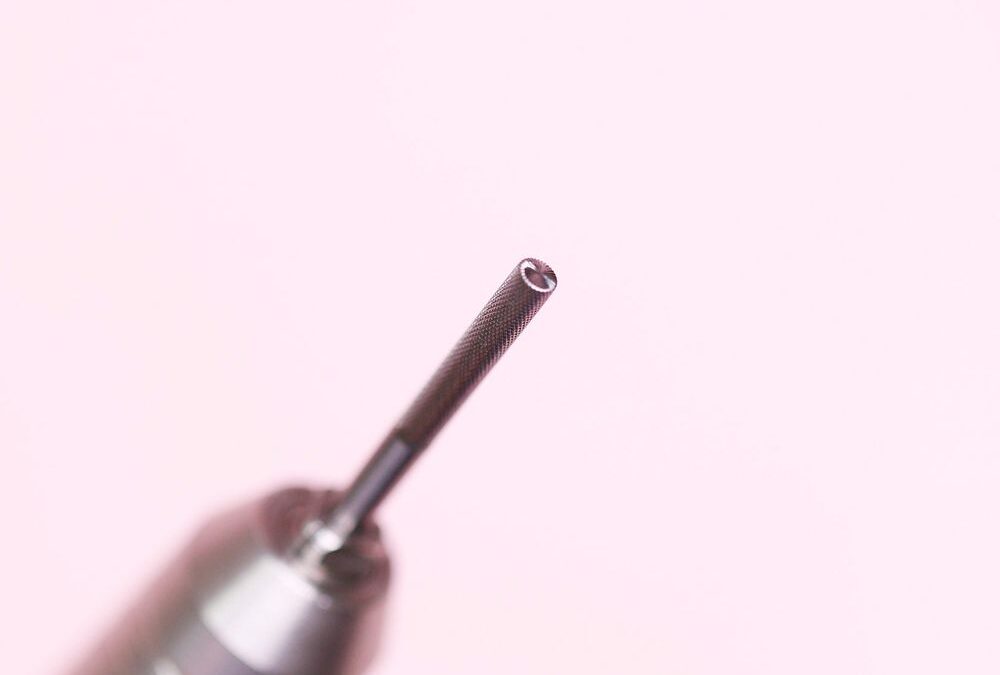
If you are new to powered cuticle work, relax: we’ll walk through a measured, repeatable method that keeps client comfort and consistent results first. This article centers on the Extra Fine Cuticle Drill Bit (XXXXF Carbide) — the extra-fine cylindrical micro-ridged carbide bit shown against a pale baby-pink background — and how to plan inventory and use it safely.
Estimate usage and build a restock plan
Record how many cuticle prep services you perform weekly and how often you swap bits during a shift. Extra-fine micro-ridged carbide bits are designed for fine surface polishing and cuticle-area cleaning, so in a typical full chair day one bit can often cover multiple clients if used only for light natural nail bed work and kept clean between services.
Create a baseline: count weekly clients who get natural nail prep only, those who get acrylic/gel prep, and separate bridal or precision Russian-style appointments. For light natural-bed cleaning estimate 8–12 clients per bit; for heavier dead-skin removal reduce that to 4–6. Track these numbers for two weeks to refine your reorder frequency.
Schedule reorder points and avoid mid-week runs
Set reorder triggers that match your delivery window. If you use the bit for primarily natural nail preparation and the supplier lead time is a week, reorder when stock hits 20–25% of weekly use. If you run special bridal bookings or seasonal spikes, increase buffer stock by one extra pack per stylist on heavy weeks.
We recommend noting the bit’s price during planning — listed at $6.98 — but remember prices can change. Keep a small tool kit of backup bits in each technician drawer so a single depleted bit doesn’t interrupt the schedule.
Prepare your station and handpiece before service
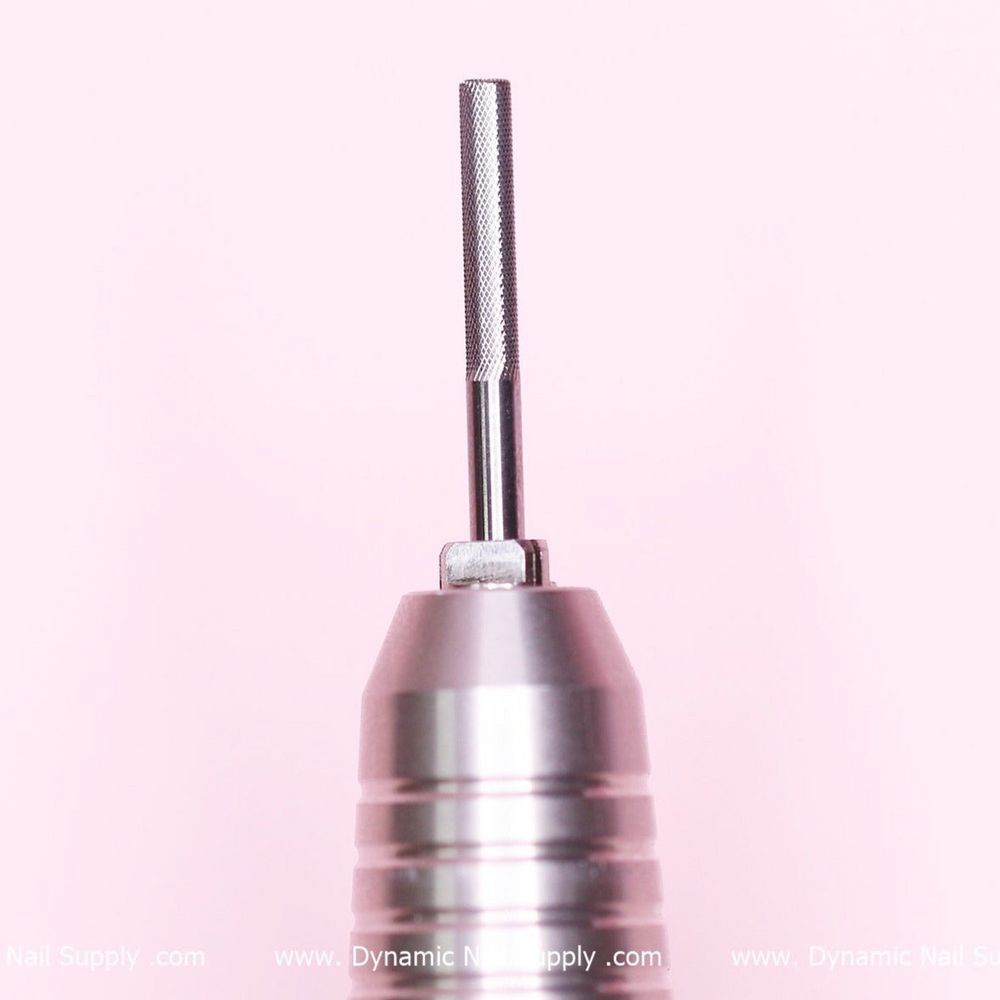
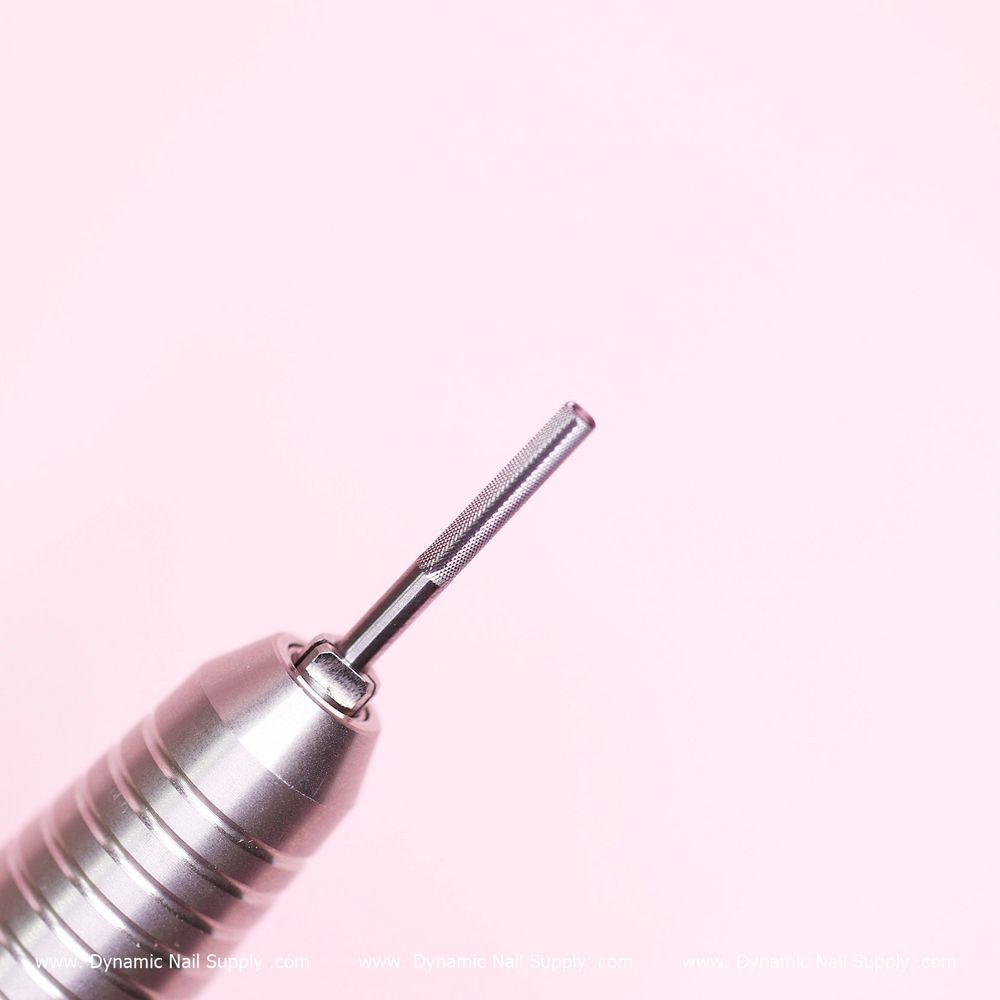
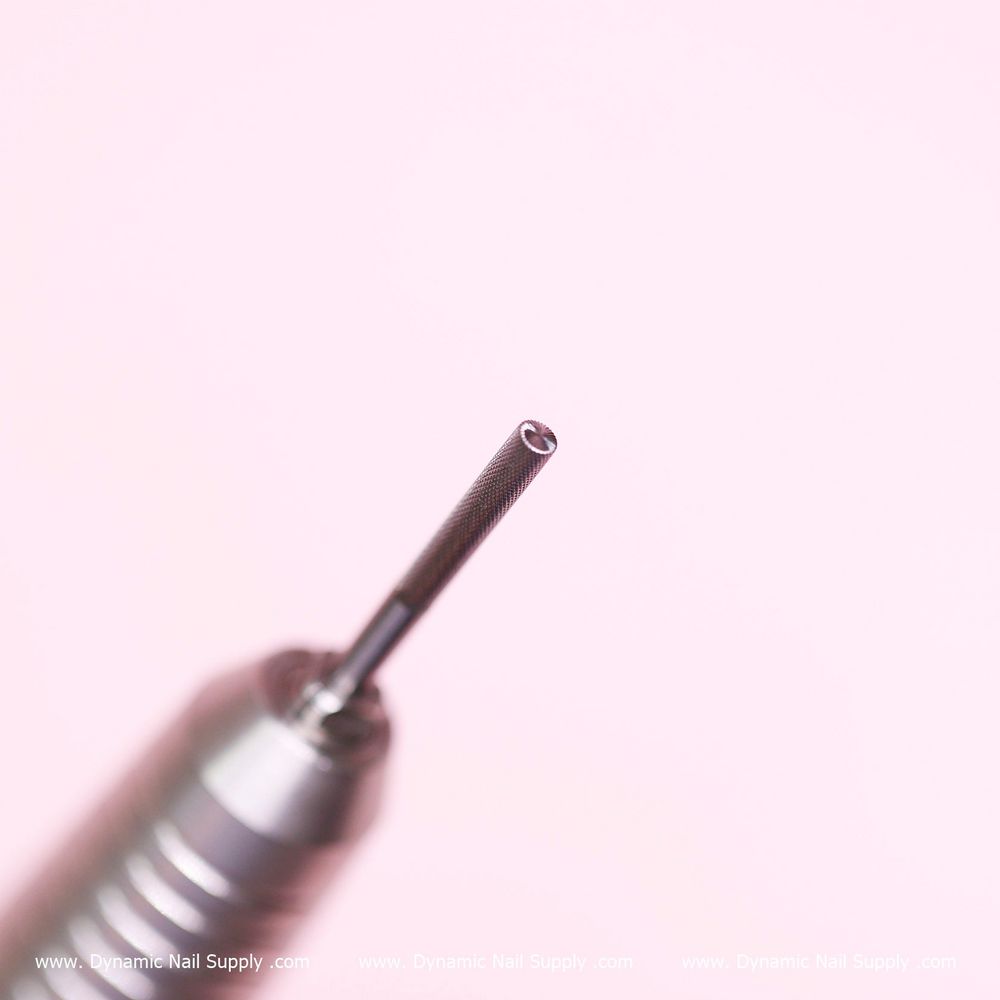
Set up with good lighting and a clean workspace. The pictured item features a brushed metallic handpiece and a fine knurled carbide tip; a close macro view helps you inspect micro-ridges and detect wear before use. Use low dust extraction or a vented lamp where required by your salon protocols.
Fit the bit securely and confirm bidirectional use. The Extra Fine Cuticle Drill Bit performs safely both clockwise and counter-clockwise, which makes it suitable for left- and right-handed techs and ambidextrous work. Select a drill speed in the recommended range of 10,000–15,000 rpm for most cuticle-area passes.
Apply controlled strokes: angle, pressure and pattern
Work in short, deliberate strokes. Hold the handpiece so the bit meets the lateral fold at roughly a 10°–20° angle for marginal cuticle removal and a flatter 0°–10° approach when smoothing the natural nail bed surface. Keep strokes parallel to the eponychium rather than perpendicular; this reduces the chance of digging or catching.
Use feather-light pressure — let the bit cut with its grit rather than pushing. We advise minimal contact time: pass once or twice over a small area, then pause to inspect. For dead-skin cleaning use slightly shorter strokes and check the skin for redness. If heat or resistance appears, stop and reassess technique or bit condition.
Follow a step-by-step sequence for consistent results
- Sanitize and assemble your station; insert the micro-ridged XXXXF carbide bit and verify secure chucking.
- Start at the lowest end of the speed range and test on an acrylic practice sheet or buffer strip to confirm smooth operation.
- Use the bit at 10k–12k rpm for initial passes around the cuticle and 12k–15k rpm only for quick light polishing of the nail bed; avoid sustained high-speed contact.
- Work in 3–5 second passes: remove visible dead skin then step back and assess before repeating.
- Finish with a soft nylon pusher and a non-abrasive wipe to remove dust and residual particles, then apply your chosen cuticle oil or sealant.
Pro tip: Rotate the handpiece slightly between passes to use different micro-ridges on the carbide tip; this extends effective life and keeps finishes consistent.
Inspect, clean and rotate bits to extend life
After each client clean the bit by brushing debris away with a soft nylon brush and then disinfect according to your salon’s protocols. Inspect the micro-ridged surface: if the ridges look flattened or chatter marks appear, retire the bit for finishing tasks only and replace it for precision cuticle work.
Maintain a rotation plan: assign one bit per tech per week and a backup pool for peak days. Label bits with a simple ID so you can track wear patterns and ordering cadence.
Pro tip: Store bits upright in a foam or silicone insert and keep the extra-fine carbide bits separate from coarse or flame-shaped bits to prevent accidental mixing of grit styles.
Where this tool fits in your kit and service menu
The Extra Fine Cuticle Drill Bit is primarily a preparation and finish tool for natural nail bed polishing and cuticle-area cleaning. Use it before acrylic or gel application to create a smooth bonding surface, and keep coarser bits reserved for product removal or heavy shaping. The cool silver finish and compact column shape make it visually neat on a pale pink station setup and easy to spot among other handpieces.
Practical safety and handling reminders
Do not use excessive pressure. Monitor client feedback and skin color during passes. Use recommended speeds, and stop immediately if you see signs of trauma, persistent heat, or client discomfort. Always follow salon disinfection and PPE protocols when removing debris and swapping bits.
For reordering reference and kit planning, consider purchasing extra packs ahead of high-booking days; this bit’s size and micro-ridged surface make it a core item for natural-bed prep. https://dynamicnailsupply.com/products/super-extra-fine-column-drill-bit-xxxxf-grit-carbide-use-for-cleaning-cuticle-and-natural-nails-bed
Care and safety reminder: protect clients with light touch, good ventilation, and consistent maintenance of bits and handpieces.