
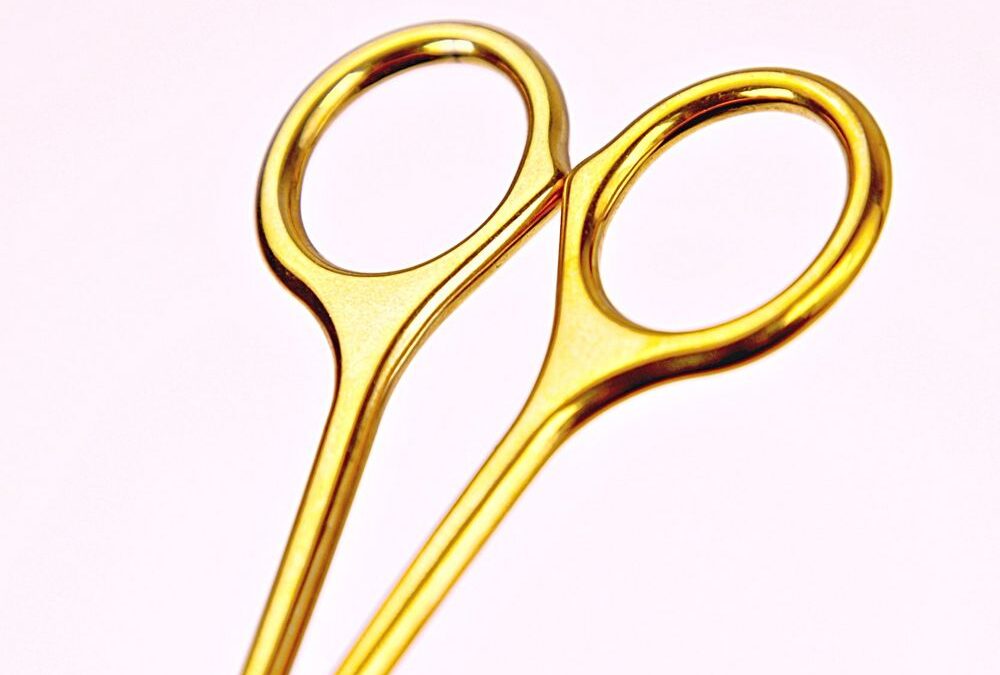
We know learning a new tool can feel intimidating. If you’re just starting with a curved-tip tool, we’ll walk you through safe, repeatable steps and show how this NT1245 Gold Premium curved-tip design fits into a salon restock plan.
Estimate usage to plan stock levels
Begin by tracking cuticle scissor use over two typical weeks. Record how many services require cuticle trimming per day, how many tools are put into rotation for sanitation, and how often a pair leaves service for sharpening or repair. For most busy stations, technicians use one primary pair per tech per shift plus one backup per station to avoid downtime when a tool is being cleaned.
Convert that data into minimum-on-hand counts. If a technician performs 20 manicures in a 5-day week and trims cuticles on 60% of those, that’s 12 trims per week. With cleaning cycles and occasional bluntness, plan for at least 2–3 pairs per technician to maintain flow without mid-week shortages.
Choose the right style and why NT1245 belongs in your kit
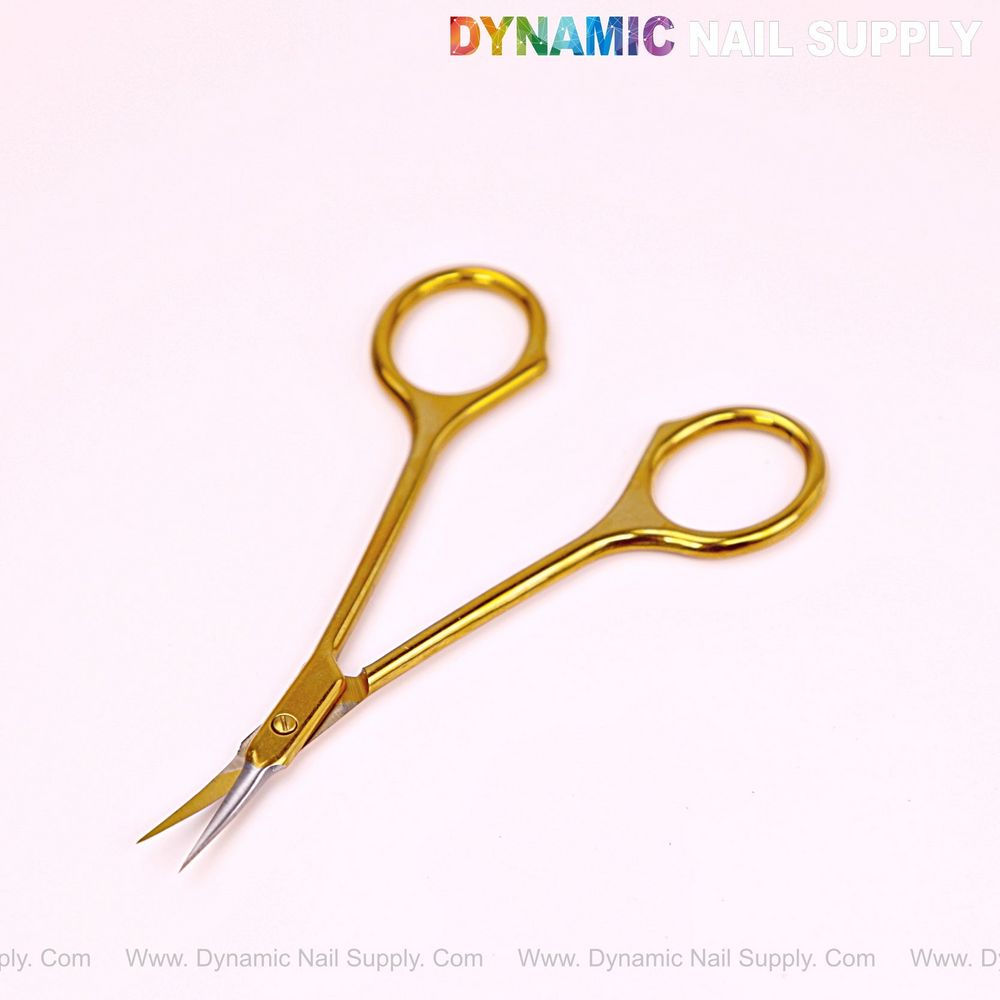
Selection matters: curved fine-point tips follow the natural cuticle arc and reduce the need for awkward angling. The NT1245 Gold Premium curved-tip scissors are visually distinctive with a high-reflective gold finish and silver blade tips; that finish helps them stand out in a mixed kit and reduces time spent searching a crowded drawer.
Because they are compact and lightweight, these scissors slot into a technician’s hand easily, which speeds repeated micro-trims during a shift. We recommend assigning gold-accent pairs as dedicated cuticle tools so their role is clear to every tech.

Apply a consistent prep and trimming workflow
Develop a one-page trimming protocol for all staff so technique and hygiene are consistent. We suggest this step sequence:
- Soak or apply a softening oil to the nail plate for 3–5 minutes to loosen dead cuticle tissue.
- Gently push back the cuticle with a pusher, exposing only excess dead skin for removal.
- Hold the scissors with the handle resting between the thumb and ring finger for stability; use the index finger along the shank for micro-control.
- Approach the cuticle at a shallow angle, following the curve of the nail with the curved tip; use short, controlled snips rather than long cuts.
- Trim only visibly dead tissue; avoid taking living skin. Finish with cuticle oil and brief massage.
For salon consistency, require that technicians confirm tool ownership and clean the NT1245 after each client per your sanitation protocol.
For quick station swaps and visible spares we recommend keeping boxed NT1245 Gold Premium scissors on hand near each work tray.

Practice grip, angle, and stroke techniques
Grip: we advise a precision grip—thumb and ring finger in the ergonomically shaped loops, index finger along the tool body to steady micro-movements. This keeps the motion small and accurate.
Angle: keep the blades parallel to the nail edge and let the curved tip trace the natural smile line. The curvature reduces the chance of cutting into the nail fold when used correctly.
Stroke: use short, decisive snips. When you need longer removal, make two or three controlled cuts rather than a single sweeping cut to avoid traction or tearing.
Sanitation, care, and supply turnaround
Sanitation first: wipe blades after each use, then follow your chosen salon disinfection steps (alcohol wipe or approved disinfectant). Dry completely before storage to protect the reflective gold finish and silver blade edges from moisture buildup.
Rotate tools through a marked storage tray so one pair is always available while others are disinfecting or awaiting inspection for dullness. Keep a small repair/sharpening buffer: when a pair is identified as blunt, move it to the sharpening queue and pull a replacement from stock immediately.
When planning reorders, monitor how often pairs reach the sharpening queue. If you find more than two pairs per week need service during peak season, increase reorder quantity. The NT1245 retail presentation (white and magenta packaging) also makes it straightforward to spot boxed spares for restock shelves.
Restock timing and ordering rules of thumb
Set restock triggers by both count and calendar: reorder when on-hand drops to 25% of your typical weekly use or schedule a standing reorder every 4–6 weeks for consistent service volume. For new salons, start with three pairs per tech and adjust after six weeks of real usage data.
Consider keeping one premium-looking pair, like the gold-reflective NT1245, as a front-of-house spare to maintain a professional appearance on station and reassure clients of tool quality.
Inventory checklist and end-of-shift protocol
- Count active scissors per station each evening.
- Move dull or damaged pairs to a labeled repair tray.
- Confirm boxed spares meet the reorder threshold and add to the weekly procurement list.
- Sanitize, dry, and store all returned tools in a moisture-free cabinet.
Pro tip: Color-coded or finish-coded tools (we keep gold pairs for cuticles) reduce tool mix-ups and speed handoffs during multi-tech services.
Pro tip: Track time-to-dullness for each pair to forecast sharpening cycles and avoid mid-week shortages.
Prices may change; at the time of this guide the NT1245 was offered at $5.99. We recommend reviewing usage and supplier lead times before placing bulk orders.
Care and safety reminder: always trim only dead cuticle tissue, follow salon sanitation protocols, and keep blades dry between uses to preserve finish and function. Proper handling reduces client irritation and maintains tool longevity.