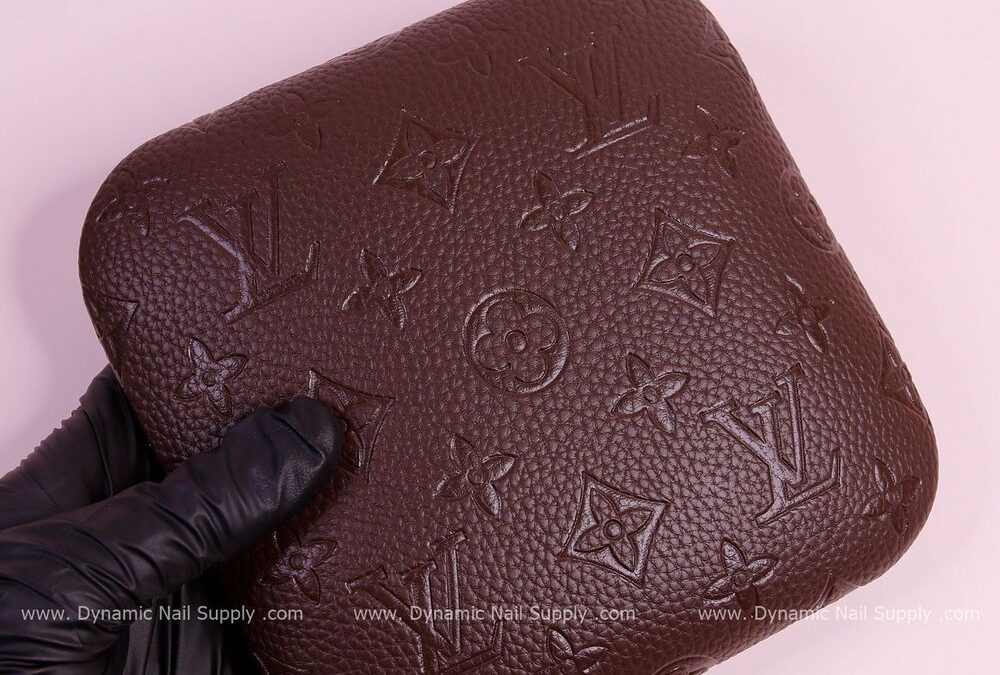
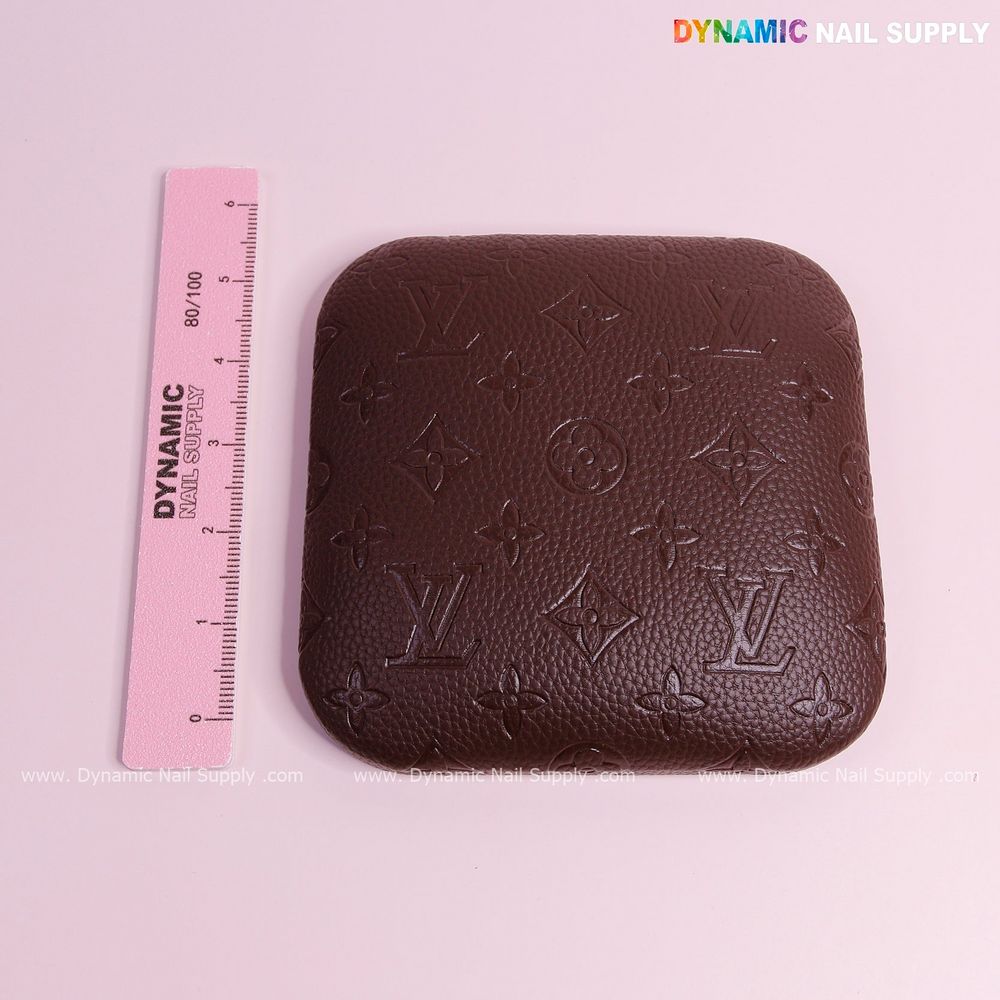
We know a beginner technician may worry about damaging an embossed, pebbled PU armrest while keeping it hygienic. This article walks through safe cleaning and disinfection methods for the dark brown engraved grain elbow rest pad and explains how to plan stock so your salon never runs short.
Estimate your weekly use and plan replenishment
Start by tracking how many clients use an armrest per shift. Count full manicures, express polish changes, and any services where the elbow pad is offered to clients as a comfort add-on. Log daily usage for two weeks to get an average number of cleans per pad.
- Calculate number of cleanings per shift (clients × cleanings needed between clients).
- Factor in peak days: create a multiplier for high-booking days (typically 1.2–1.5× average).
- Set minimum on-hand quantity: allow for at least one spare pad per 3–4 active stations so you can rotate while one is drying or being disinfected.
With that data you can set reorder points. For a busy salon this dark chocolate brown engraved pad often needs daily wipe-disinfection; plan to restock before you fall below the spare threshold.
Use mild cleaners and protect the embossed finish
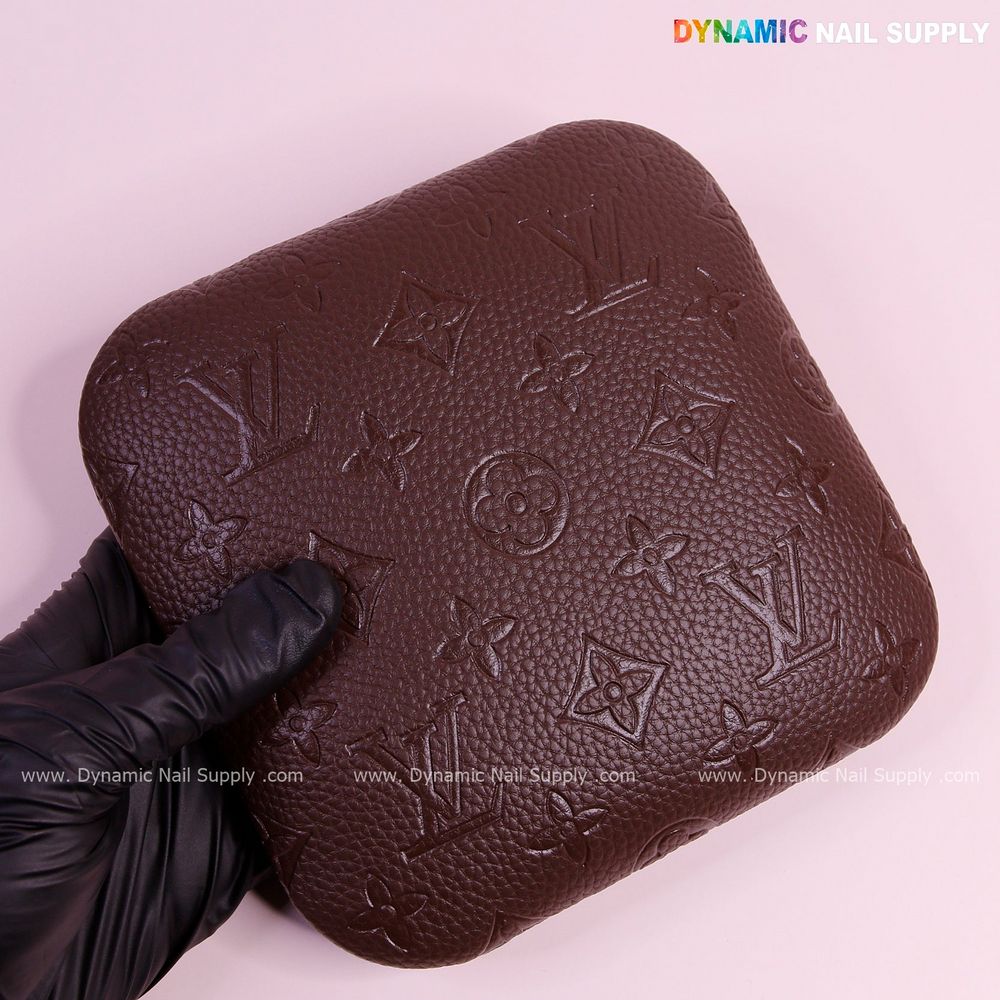
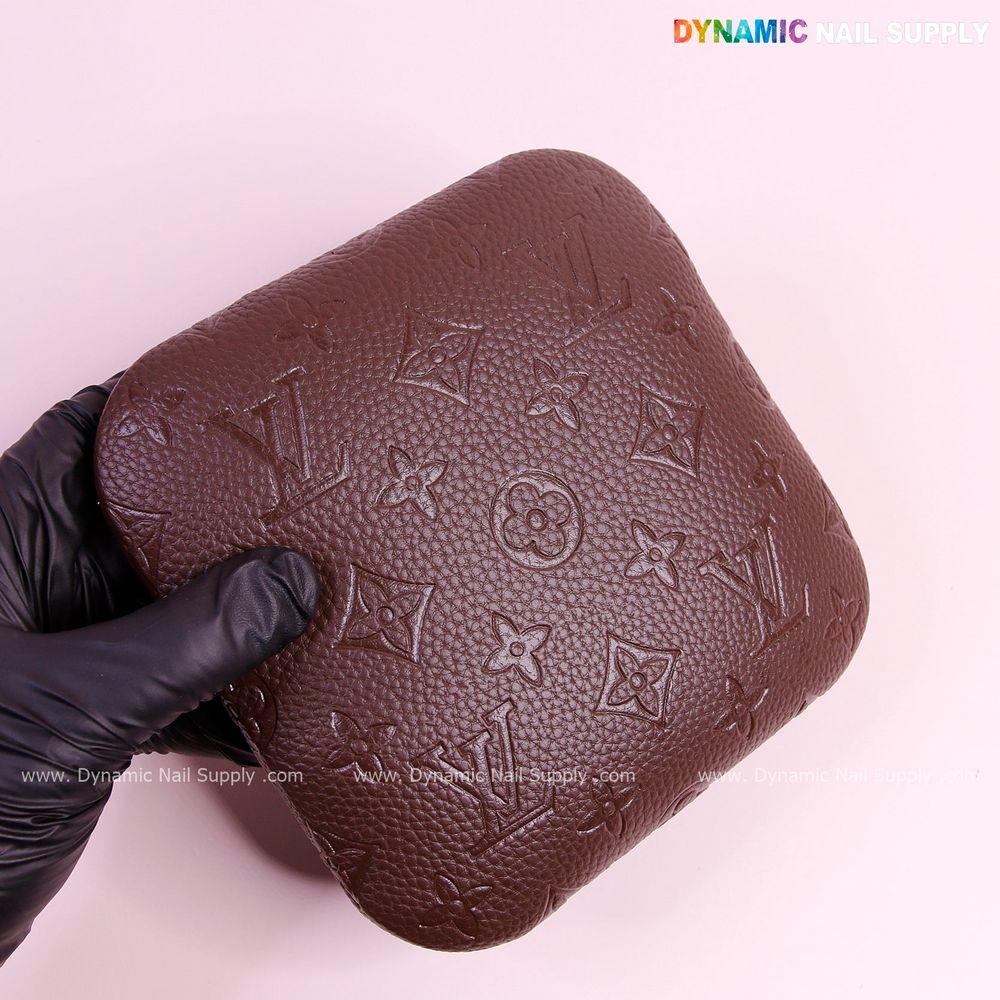
Because the surface has a pronounced pebbled texture with raised embossed monogram highlights and a subtle glossy sheen on raised areas, avoid strong solvents or abrasive scrubbing. These can dull the glossy embossing or lift the grain texture.
- Prepare a cleaning solution: warm water with a few drops of gentle, pH-neutral soap (dish soap that is not bleach-based works). Use only enough soap to make a light suds.
- Wring a microfiber cloth until damp, not dripping. Wipe the pad along the grain rather than against it to avoid stressing the raised embossing.
- Rinse the cloth in clean water, wring, and wipe again to remove soap residue.
- Dry with a soft cloth immediately to prevent water pooling in the grain.
Pro tip: Always test a small inconspicuous area first—press a damp cloth on the inner edge or underside to confirm no discoloration or sheen change.
Disinfect without damaging the leather-like coating
After cleaning, disinfection is required between clients. Choose a disinfectant that is compatible with PU leather: avoid straight bleach, high-concentration alcohols above 70–75%, or ammoniated cleaners that can strip the surface finish.
- Use an EPA-registered disinfectant compatible with coated fabrics or a salon-grade surface spray labeled safe for faux leather. If unavailable, a 70% isopropyl solution applied lightly and left to air dry is acceptable but use sparingly to protect glossy embossing.
- Apply disinfectant to a clean microfiber cloth rather than spraying directly to control saturation.
- Wipe the pad gently, following the embossed pattern direction to avoid scrubbing raised areas.
- Allow complete air dry before returning the pad to service. Do not speed-dry with heat sources, which can warp padding or alter the coating.
Pro tip: Rotate two pads per station: one in use while the other is in cleaning/disinfection/drying cycle. This reduces pressure to rush cleaning and lowers wear on the embossing.
Avoid cleaners and practices that shorten product life
Do not use corrosive cleaners, acetone, straight bleach, or heavy-duty degreasers. These chemicals can soften glue seams, remove the subtle glossy highlights on the raised embossing, and cause cracking over time. Avoid soaking the pad or submerging it in water; the interior foam and stitched seams are not designed for immersion.
- Do not use abrasive scrub pads or brushes. They abrade the pebbled texture and flatten embossed motifs.
- Avoid prolonged exposure to direct sunlight or strong UV lamps while storing; that can fade the deep brown tone and alter the finish.
Integrate cleaning into your station workflow
Make cleaning a step in your appointment checklist, not an afterthought. At booking or checkout note that the armrest will be wiped between clients and schedule a 60–90 second turn-over window to clean, disinfect and air-dry.
- Keep a labeled cleaning kit at each station: two microfiber cloths, a mild soap bottle, and a compatible disinfectant spray in a pump bottle.
- Document cleaning steps on a small card at the station to ensure consistency among staff.
- Inspect pads weekly for seam strength, surface cracking, or noticeable gloss loss on raised embossing; replace when wear affects sanitation or service quality.
Decide how many pads to stock and when to reorder
Base reorder frequency on your earlier usage tracking. For example, if each pad undergoes two clean-disinfect cycles daily and you average 20 such cycles per pad per week, estimate lifetime before replacement and set reorder points with a safety buffer to prevent mid-week shortages.
- Keep at least one spare pad per three active stations as a minimum buffer.
- For salons with heavy weekend bookings, increase on-hand inventory before peak days and schedule orders to arrive mid-week.
- Include a small budget line for replacement every few months if your tracking shows accelerated wear from frequent disinfection.
The dark brown engraved grain elbow rest pad has a richer tone and visible embossing that can show wear differently from flat-tone pads; factor that into replacement timing. The current price is $10 but prices may change, so budget accordingly.
Finish with care and safety reminders
Store pads flat in a dry area away from direct heat. When cleaning, avoid inhaling concentrated sprays—use in a ventilated room. If the surface shows cracking or separation at seams, retire the pad for hygiene reasons. Follow these steps to keep the textured, embossed dark chocolate pad hygienic and service-ready while protecting the subtle glossy highlights that make this design distinct.
We recommend adding the dark brown engraved pad to your rotation to match seasonal client color palettes and to ensure you always have a sanitized option available; remember to include it in your reorder plan and cleaning protocol.
Keep at least one spare elbow rest pad on hand so you can rotate while one is in cleaning and drying.