If you’re new to stocking specialty gels, we’ll keep this straightforward. No-wipe spider gel is a different workflow than a standard polish, but predictable usage and simple reorder rules reduce surprises.
Estimate usage by service type
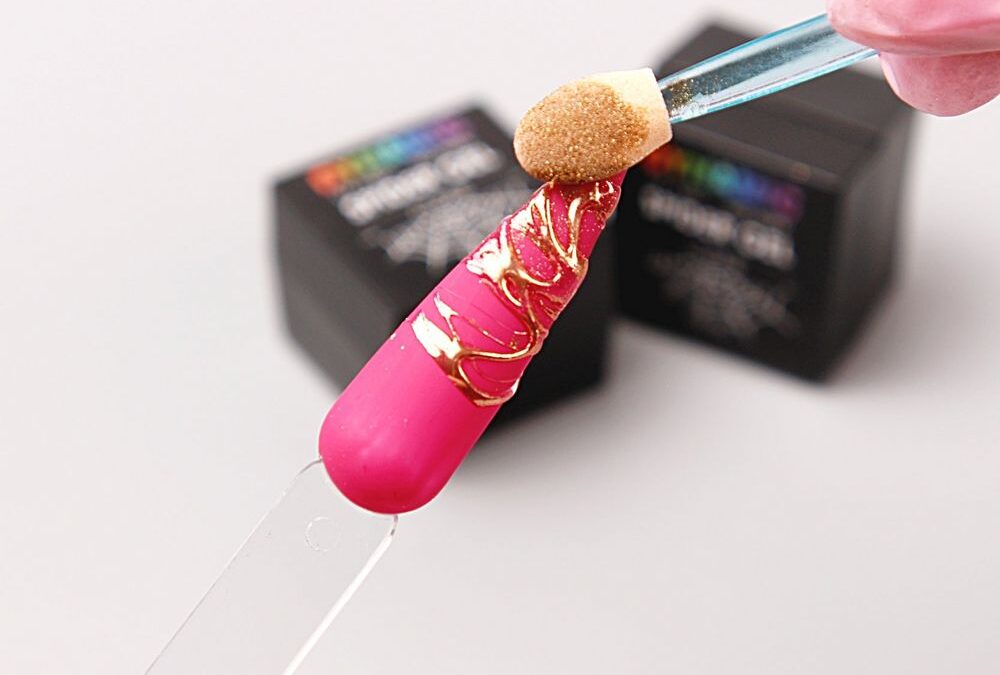
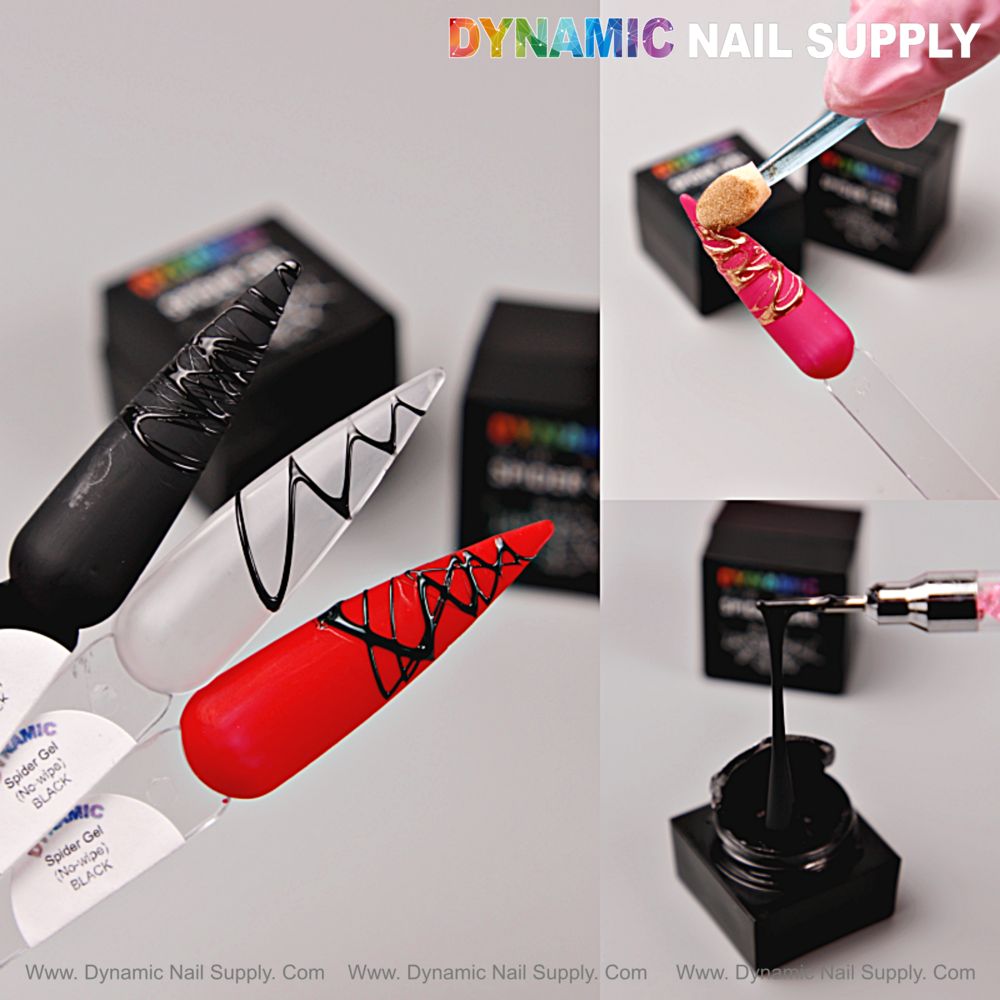
Start by tracking how often you use spider gel for a typical week. Count the services that include line work, chrome accents, or spider-web effects—these are the applications that consume the elastic, high-viscosity gel shown in the product photo. Record the number of nails decorated per service and note whether you use single-color lines or layered metallic effects; thicker stringy applications use more product per nail.
We recommend logging the first four weeks after you introduce the item to establish a baseline. For salons offering seasonal motifs such as bold black lacy lines over bright bases, expect higher consumption on themed dates. Use daily tallies to calculate an average weekly consumption in milliliters or jar-counts so reorder math is simple.
Plan reorder points and lead times
Turn your weekly usage average into a reorder schedule by factoring in supplier lead time and safety stock. If a jar lasts two weeks under normal demand, keep at least one additional jar as backup. If transit or restocking takes longer during promotional seasons, increase safety stock to cover that delay.
We price these jars between $6 and $30 depending on options, so include cost awareness in your ordering to avoid unexpected budget spikes. Record available variants—Black, White, Clear, Pink, Hot Pink, combo sets and multi-color packs—so you can reorder the exact option that fits your most-used looks.
Allocate stock by usage zone in the salon
Create small service-station kits with a single jar for high-traffic chairs and keep bulk backups in a central supply cabinet. For a technician focused on detail work, place the elastic drawing gel within arm’s reach along with a fine detail brush and chrome powder. Reserve larger backup jars centrally so you can reallocate quickly if a single station runs low mid-shift.
Pro tip: Label jars with opening date and expected remaining volume after average service counts to make manual checks faster during a busy day.
Prevent mid-week shortages
Running out during a peak shift is avoidable. Set a low-stock alert based on your average-per-day number: when remaining stock falls below two days’ worth, issue a replenishment. Cross-train a team member to perform a quick morning check of spider gel jars and base supplies so you can reorder before the afternoon rush.
Keep a small emergency kit with a neutral-color jar (clear or white) and a fine applicator to substitute when a specialty shade like metallic gold or deep black is depleted. Substitutes aren’t ideal for signature looks, but they prevent canceled add-ons and keep chair time steady.
Fit the product into your service menu
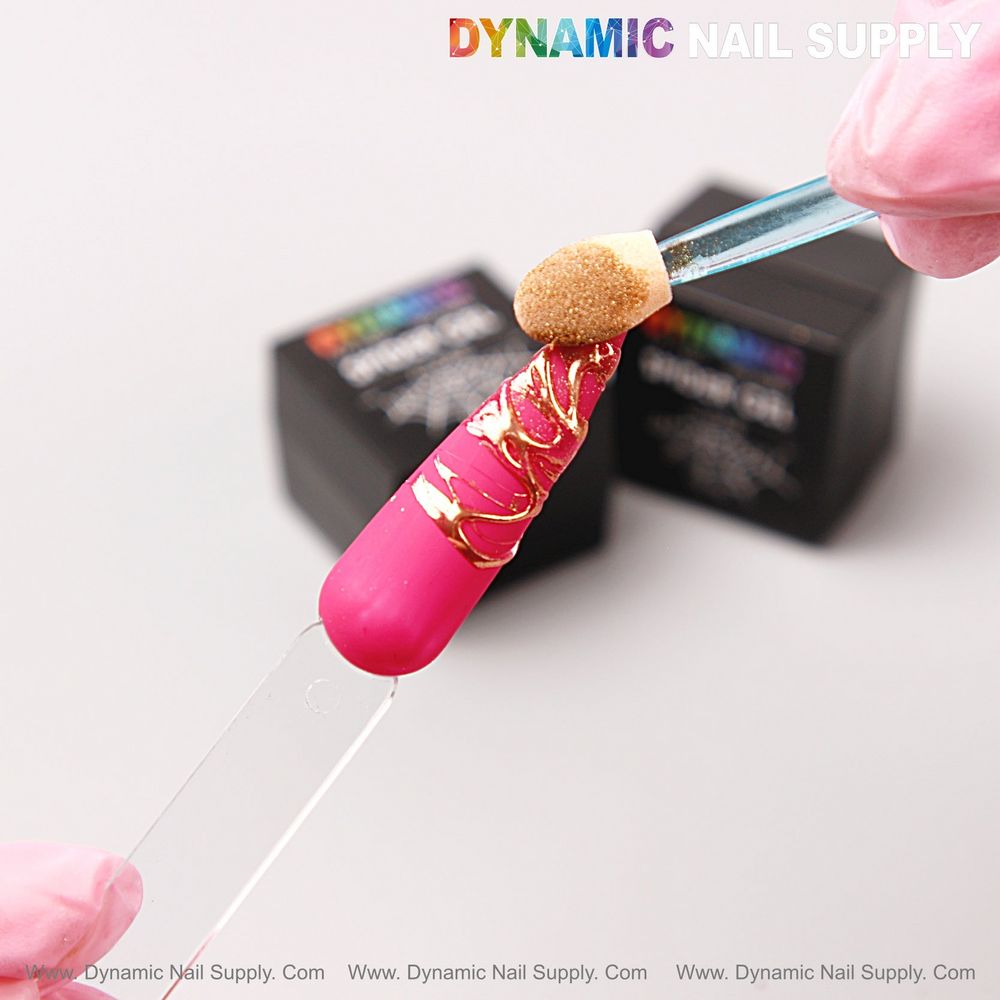
Position this no-wipe, chrome-ready spider gel as the accessory product for line art, chrome powder accents, and mixed-media details. Because it cures tack-free and accepts chrome rubbing directly after cure, you can build fast add-on services: detail a single accent nail, apply chrome, seal, and move on. That workflow shortens station time for high-margin extras.
Use chrome spider gel when describing how you layer the elastic gel over a cured base before applying chrome so clients know the product supports efficient metallic finishes without extra wiping steps.
Pro tip: For predictable timing, schedule chrome applications as the final design step and block 1–2 extra minutes for rubbing pigment and final top coat cure.
Give special attention to Black (No-wipe)
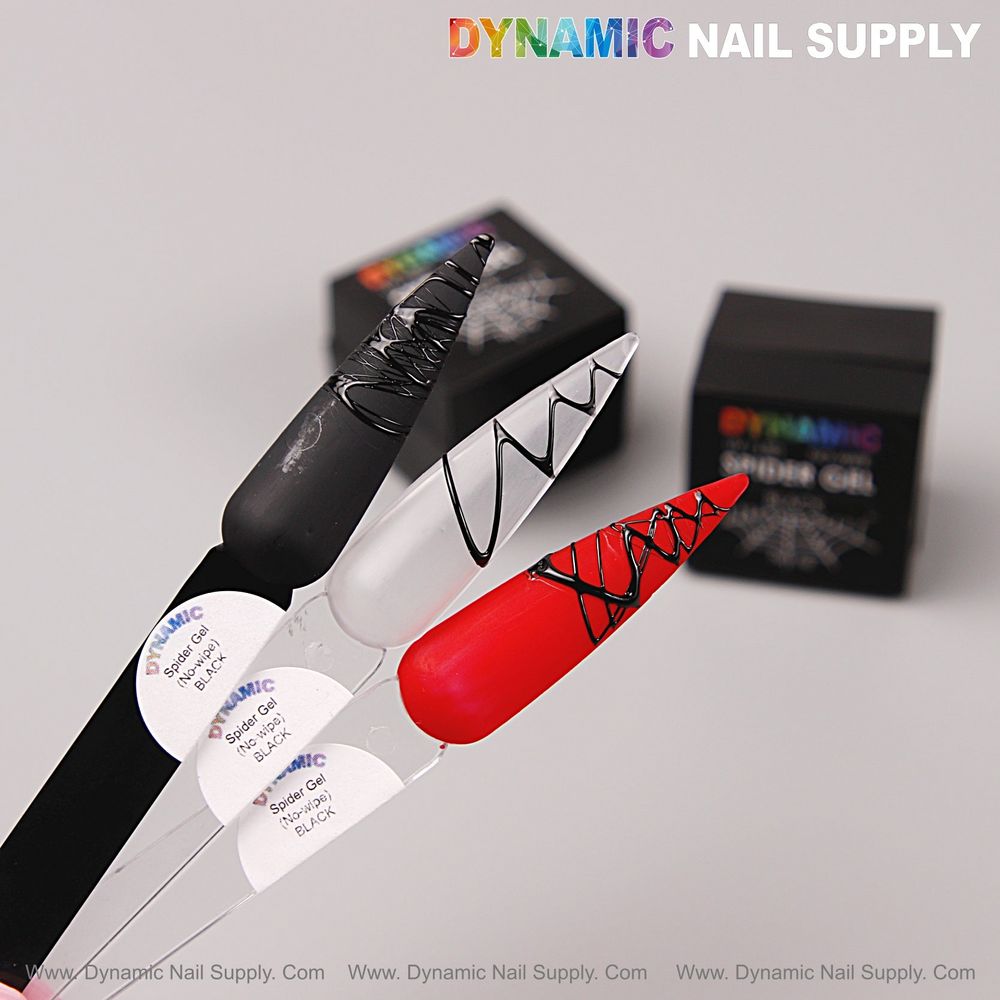
The Black option shown in the product photo is the most visually striking for contrast work. It produces deep, graphic lines when pulled into spider webs or thin ribbons over bright bases like white, red, or hot pink. The viscous, stringy consistency is visible in photos and helps hold continuous lines without snapping, which reduces redo time during appointments.
Stock the black jar as your primary detail color if your salon frequently sells bold, high-contrast looks. Keep at least one extra black jar on hand compared with other shades because high-contrast designs tend to be repeat requests and consume more gel per nail when drawn as dense lace or geometric patterns.
Manage variants and sets
Offer single jars for clients who want a specific accent color and consider stocking the set options for technicians who need variety. The multi-color sets reduce per-color reorder frequency because you can pull from a larger palette without opening new individual jars each time a shade is needed.
Use inventory tags that record which colors move fastest. If black and metallic applications dominate, shrink orders for pinks and clear to avoid tying up budget in slow-moving SKUs.
Care, handling, and basic safety
Handle jars hygienically: use a dedicated applicator for each client or sterilize tools between clients to prevent cross-contamination. Keep lids tightly closed to maintain viscosity and prevent skin exposure. Cure times should follow lamp recommendations and always avoid contact with uncured product on the skin—if contact occurs, remove uncured gel with recommended salon procedures and discard contaminated wipes or tools.
We recommend a weekly stock audit and immediate disposal of any gel with altered odor or texture. This product is engineered for durability and long wear when applied correctly; appropriate handling preserves performance and reduces waste.
We aim to make restocking predictable: estimate usage, set reorder points with safety stock, and keep black jars more plentiful if your clients favor bold looks. These steps reduce mid-week surprises and keep detail services profitable.
Care reminder: store gel containers away from direct sunlight and heat, keep lids closed, and wear gloves when handling uncured gel to reduce skin contact risks.